Key Highlights
- A back-to-school eye exam at Clay Eye helps support academic success because it checks if your child’s vision is ready for reading and school work.
- School vision screenings can help, but they do not take the place of full eye care for your child’s vision.
- Early detection lets an eye doctor find even small vision concerns before they can hurt your child’s learning or behavior.
- Healthy vision is needed to read, do work on the board, finish digital tasks, and take part in other school activities.
- Complete eye exams look at more than just clear sight. They also check your child’s eye health, focus, and how the eyes work together.
-

Introduction
Back-to-school preparation often includes shopping for school supplies, completing paperwork, and organizing schedules. While these tasks are important, don’t overlook one of the most valuable ways to prepare your child for the new school year: scheduling a comprehensive eye exam.
Good vision plays a critical role in a child’s ability to read, write, participate in classroom activities, and achieve academic success. Every day, students rely on their eyesight to read books, view the classroom board, use digital devices, complete assignments, and interact with teachers and classmates. When vision problems go undetected, they can impact learning, concentration, and confidence long before parents or teachers recognize the cause.
Add a comprehensive eye exam at Clay Eye to your back-to-school checklist to help ensure your child has the clear, healthy vision they need to start the school year ready to learn, grow, and succeed.
Why Back-to-School Eye Exams Matter for Academic Success
A back-to-school eye exam at Clay Eye Physicians & Surgeons is one of the best ways to prepare your child for a successful school year. Clear vision is essential for learning, as children rely on their eyesight to read, write, see the classroom board, use digital devices, complete assignments, and participate in classroom activities every day.
Many children don’t realize they have a vision problem because they assume everyone sees the way they do. As a result, vision issues can easily go unnoticed, making routine eye care especially important before the school year begins.
A comprehensive eye exam can detect vision problems early and ensure your child has the clear, comfortable vision they need for learning and academic success. It’s common for children to adapt to blurry vision, eye strain, or other visual difficulties without mentioning them, simply because they don’t know their vision isn’t normal.
Identifying vision problems early can make a significant difference in a child’s success at school. Clear vision helps children stay focused, participate confidently in class, improve reading and learning skills, and engage more fully in everyday classroom activities. Early treatment can also prevent vision issues from affecting academic performance, behavior, and self-confidence.
The Link Between Vision and School Performance
Vision plays a critical role in how children learn. According to the American Optometric Association, approximately 80% of a child’s learning is processed through the visualization. This means that many students may be trying to learn while struggling to see clearly, putting them at a significant disadvantage in the classroom.
Children depend on their vision throughout the school day. They use their eyes to read books, write assignments, view the classroom board, use computers and tablets, and follow demonstrations from their teachers. When a child has an undiagnosed vision problem, even routine classroom tasks can become frustrating and difficult.
Poor vision can affect much more than a child’s ability to see. It may lead to difficulty reading, reduced concentration, headaches, eye strain, lower confidence, and declining academic performance. In some cases, children with vision problems may even appear inattentive or uninterested in learning when the real issue is that they simply can’t see clearly.

A comprehensive eye exam can identify vision problems early, allowing children to receive the care they need before their eyesight begins to impact their education. Clear vision helps students stay focused, participate confidently in class, and reach their full academic potential.
Short- and Long-Term Benefits of Early Detection
Early detection gives children the best opportunity to succeed by identifying and treating vision problems before they begin to interfere with reading, writing, classroom participation, or self-confidence. When vision concerns are addressed early, children are better equipped to stay engaged in learning, perform well academically, and develop the confidence to participate fully in school.
As children grow, their eyes and vision can change quickly. That’s why regular comprehensive eye exams are an essential part of maintaining healthy vision. Routine eye care allows an eye doctor to monitor your child’s visual development and detect new or worsening vision problems before they begin to affect learning, school performance, or everyday activities. By staying proactive with your child’s eye health, you can help ensure they have the clear vision they need to thrive throughout the school year and beyond.
In the short term, early intervention can help children feel more comfortable, improve their ability to focus, and encourage greater participation in the classroom. When vision problems are identified and treated early, children are often better able to read, learn, and engage confidently with their teachers and classmates.

The long-term benefits are just as important. Regular comprehensive eye exams help protect your child’s vision as they grow, allowing eye doctors to monitor changes and address new concerns before they become more serious. Ongoing vision care supports healthy visual development, making learning, extracurricular activities, and everyday life easier and more enjoyable.
For parents, comprehensive eye exams also provide valuable peace of mind. Beyond checking whether a child needs glasses, an eye doctor evaluates how well the eyes work together, how they focus, and the overall health of the eyes. This thorough evaluation helps ensure that hidden vision problems don’t stand in the way of your child’s success.
Benefits of Early Detection and Ongoing Eye Care
- Detects hidden vision problems before they impact learning and development.
- Allows treatment to begin sooner, leading to better outcomes.
- Improves focus, classroom participation, reading, and academic performance.
- Supports healthy vision as your child’s eyes continue to grow and develop.
- Gives parents confidence that their child’s vision and eye health are being carefully monitored.
How Undiagnosed Vision Issues Impact Learning
Undiagnosed vision problems can quietly make school harder for children. If kids have trouble seeing, they may struggle with reading or writing. It also can be tough for them to join in class or play sports. Over time, poor vision can lower confidence and make school feel like a big challenge.
Sometimes, vision concerns are confused with other issues. Kids who seem quiet, do not pay attention, or get upset could be dealing with vision problems. Improving a child’s vision can boost academic success. It gives them a better chance to use all their skills at school.
- Poor vision can slow down how a child learns to read or write.
- Undiagnosed vision problems can make classroom participation less.
- Vision concerns that are not fixed can lower confidence and make it hard to get along with others.
Behavioral Indicators of Vision Difficulties
The way a child acts can show a lot about how they are seeing. Some children avoid reading, don’t want to do homework, or lose focus during the school day. These tasks can make their eyes feel tired. This problem may look like they are not motivated, but it might be because of eye strain.

Parents should watch for things that happen again and again, not just at school but at home too. If a child gets upset with close work, rubs their eyes a lot, or seems tired after using their eyes, it can show there is a sight problem. Schoolwork that needs them to use their eyes more can also give them frequent headaches.
- Avoiding activities like reading or work that needs them to look hard
- Trouble staying focused during homework or in class
- More irritability that is connected to eye strain or frequent headaches
These behavioral issues matter. They can have a big impact on academic performance if the cause is not found and solved.
Physical Symptoms to Look Out For
It is often easier to see physical symptoms than to spot what children say about their vision. You might see kids squint, sit very close to books or screens, or hold things near their face. These can all show that they have uncomfortable vision. Some kids also tilt their head so they can see better.

Many kids feel discomfort after using digital devices or after doing schoolwork. Digital eye strain can cause tired eyes. Kids might rub their eyes or have trouble focusing on what is on the page. If your child tells you about having frequent headaches, do not ignore it. Pay extra attention if these headaches come during reading or screen time.
- Squinting or holding books very close
- Frequent headaches or tired eyes after visual work
- Eye rubbing linked to eye strain or vision changes
These are signs that your child may be having eye strain or uncomfortable vision. If you notice them, it might be time for a full vision check.
Academic Clues Linked to Vision Problems
Sometimes the first signs show up in school performance. A child might read below the level others expect. They may skip lines or have weak reading comprehension even when they try hard. Teachers can notice less classroom participation or problems seeing what is shown from far away.
These signs matter because vision issues can change how kids take in and use visual information all day. An eye exam at school or a full eye exam may show that the problem is not effort. It may be about how the child sees and follows classroom material.
- Repeatedly losing place while reading
- Trouble seeing the board or classroom screens
- Lower academic performance despite consistent effort
When these things happen, people should talk about vision as one possible cause.
Step-by-Step Overview of the Exam Process
A full eye exam often starts with the eye doctor asking about your child’s health and the family’s eye health. That is important because some problems can be passed down. The eye doctor will also check how well your child can see things close up and far away.
The visit gives more than just a simple vision screening. The doctor may look at eye movement, how the eyes line up, how well your child sees depth, how the eyes focus, and the health of the eye inside. These steps help with early detection of issues that can make school or daily life harder.
- Review of medical and family eye history
- Testing of visual acuity, eye movement, and coordination
- Discussion of treatment options if concerns are found
If any problems come up, the doctor may suggest glasses, contact lenses, or other ways to care for your child’s vision.
Assessment Tools Used for Children
Children’s eye exams use tools that fit their age. This makes the test right for them and keeps it easy. When they are small, they look at pictures, not letters. This matches where they are at in life. Games are used in some places to make the exam fun.
The doctor uses special lights and lenses to check the retina, optic nerve, cornea, and iris. There are more tests that check color vision, side vision, focus, and if the eyes work well together. This gives details that a simple vision screening will not show.

With these tools, the doctor can learn about your child’s visual skills and their eye care needs in a strong way. This bigger look is key when the child gets ready to read, faces classroom needs, or uses digital devices often.
School Vision Screenings vs. Comprehensive Eye Exams
School screenings can help spot some vision problems, but they are limited. These tests usually check for simple sight issues, like how well a person can see far away. They often find clear problems, but not all of them. According to the American Optometric Association, school screenings miss up to 75% of children with vision problems. So, school screenings are a good place to start, but they are not the same as a full eye exam.
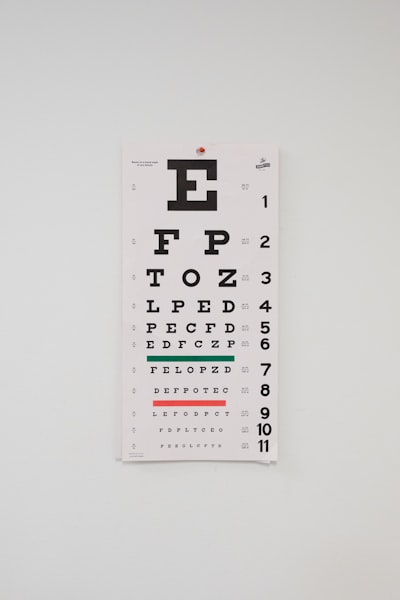
Comprehensive eye exams give better vision care. They look at how your eyes work and check your overall eye health. If you or someone you know has vision concerns, a full exam will give you more answers. The next part will talk about both options and show why full exams are important for the best eye health.
Comparing Scope and Effectiveness
School vision screenings are meant to spot clear sight issues fast. They can help find some kids who need more care. Still, they do not look at all the skills a child needs for reading or doing well in school.
Comprehensive eye exams cover more areas. They check eye alignment, focusing, how the eyes work together, depth perception, and eye health. These exams also look at how clear your vision is. This makes them better at finding a vision problem that is not easy to see, even if a student passes a screening.
- School vision screenings look at only a few parts of sight
- Comprehensive eye exams check function, coordination, and eye health
- Full exams give strong help for ongoing vision care
This is important since good school performance needs more than just seeing clearly from far away.
Why Comprehensive Exams Are Essential
Comprehensive eye exams are important because they check the whole visual system. They do not just look at if a child can read a chart. A child might do well on a basic school check but still have trouble with focusing, tracking, or how the eyes work together. These things can have a big effect on school performance and academic performance.
With comprehensive eye exams, problems can be found early. This early intervention lets treatment start before small problems turn into bigger ones. That helps keep healthy vision. It also means there is less chance of problems getting in the way of a child’s daily learning.
If you want to protect your child’s academic performance or school performance, do not depend only on the checks done at school. A full exam is the best way to know how well the eyes see, how they work together, and if the whole visual system is ready for what the classroom will need.
Frequency of Vision Checks Throughout School Years
The American Optometric Association says to take your child for the first eye exam by 6 months of age. They need another one around age 3. Have one more before they start school at about age 5. After this, most children get routine eye exams every two years. Go more often if the eye doctor tells you to.
This timing is important because kids’ eyes can change as they grow. Early detection helps spot eye problems or changes in glasses. Good vision care makes sure your child’s eyes are ready for all the things they will do in the school year.
If your child already has vision concerns, wears glasses, or needs to watch for myopia, they may need to come back more often. The eye doctor will make the right plan for your child, depending on what they need as they grow.
Solutions for Children’s Vision Needs
Once a vision problem has been identified, the next step is developing a treatment plan that’s tailored to your child’s individual needs. The right treatment depends on several factors, including your child’s age, specific vision condition, daily visual demands at school, and how their eyes work together. The goal is not only to improve vision but also to support comfortable learning, healthy visual development, and long-term academic success.
For many children, prescription glasses provide the clear vision they need to succeed in the classroom. Others may benefit from contact lenses or specialty contact lenses designed to treat certain vision conditions. In some cases, vision therapy may be recommended to improve eye coordination, focusing, or tracking skills. Some children simply require ongoing monitoring through regular comprehensive eye exams to ensure their vision continues to develop properly as they grow.
At Clay Eye Physicians & Surgeons, our experienced eye care team will recommend the treatment option that best fits your child’s needs, helping them achieve clear, comfortable vision both in the classroom and beyond.
Frequently Asked Questions
How often should my child have their eyes examined?
Children need routine eye exams as they grow. The American Optometric Association says kids should get their eyes checked by 6 months old, around age 3, before starting school, and then every two years after that. If their eye doctor thinks it’s needed, kids may need vision checks more often during the school year.
What should I expect during my child’s first eye exam?
A comprehensive pediatric eye exam will often start with questions about your child’s health history. The eye doctor will check both near and distance vision using tools that fit your child’s age, like pictures or charts. During the eye exam, the doctor may also look at how the eyes move and line up. They will check the inside of the eye. All of this helps support good eye health and healthy vision.
Can vision correction really improve my child’s academic performance?
Yes. Vision correction can help do better at school when things like blurry sight, bad focusing, or trouble working the eyes together make learning hard. With good eye care and early detection, a child’s vision can better help reading, doing classroom things, feeling more comfortable, and gaining confidence at school.