
Key Highlights
- UVA and UVB uv rays can get into the eye in different ways and can hurt eye health over time.
- If you are out in the sun a lot, uv exposure will build up, raising your chance of vision loss and many eye problems.
- Harmful uv rays can lead to cataracts, photokeratitis, pterygium, pinguecula, and macular degeneration.
- You still get uv exposure on cloudy days, so your eye health may be at risk even if the sun is not out.
- Kids, people who work outside, and those by sand, snow, or water will need stronger uv protection.
- Wearing sunglasses, hats, and getting regular eye exams each day can lower your risk.
Introduction
Most people think the sun can hurt your skin, but it is easy to forget that uv rays can hurt your eyes too. Over time, being in the sun can change the cornea, lens, and retina. This can be very bad for your eye health, and can even lead to vision loss. There is a risk when you are outside at any time, not just on sunny summer afternoons. Sunlight can still get in your eyes on overcast days. If you understand how UVA and UVB rays work, you can make choices that help keep your eye health good and help stop vision loss from sun damage.
Understanding UVA and UVB Rays and Their Impact on Eye Health

Ultraviolet light is a type of uv radiation from the sun that you cannot see. The sun gives off two main types of uv rays called UVA and UVB rays. Both can have an effect on your eye health and do so in different ways.
When you have uv exposure, the cornea and lens in your eye take in some of this light. But over time, some of this light can reach deeper parts of the eye. This is why damage can show up on the surface of the eye or in other parts that can lead to changes in your vision later on. The next parts talk more about these differences with uvb rays and eye health.
Types of UV Radiation: UVA vs. UVB
To keep your eyes safe, you must know the kind of ultraviolet radiation you face. There are two main types: UVA and UVB. Both are part of uv rays. They are not in the range of visible light. This means you can not see them with your eyes, but your eyes will still take them in. That is where problems start.
Here is a simple breakdown:
- UVA uv rays are one of the two main forms of uv radiation that reach the eye.
- UVB rays are the other main form and are strongly linked to surface damage from intense sun.
- Both types of ultraviolet radiation can affect eye tissues over time.
- Neither bright tint nor dark lenses alone tells you whether eyewear blocks these rays.
Both UVA and UVB rays can affect your eye health, but they do so in different ways. UVB rays are more likely to cause immediate damage to the surface of the eye, including the cornea, which may result in irritation or discomfort after excessive sun exposure. UVA rays penetrate deeper into the eye and are associated with long-term damage that can affect structures such as the lens and retina over time.
Because both types of ultraviolet light can contribute to eye health problems, it’s important to choose sunglasses that provide 100% protection against both UVA and UVB rays. Comprehensive UV protection is one of the simplest and most effective ways to safeguard your vision for years to come.
How UV Rays Penetrate and Affect Ocular Structures
Your eyes are designed to receive and process light, but that also makes them vulnerable to the harmful effects of ultraviolet (UV) radiation. The cornea—the clear, protective front surface of the eye—absorbs much of the direct UV exposure. Over time, the natural lens inside the eye can also absorb UV rays, contributing to cumulative damage as the years go by. In some cases, UV light may penetrate deeper into the eye and affect tissues at the back of the eye, increasing the importance of protecting your vision from everyday sun exposure.
This means uv exposure can affect several ocular structures, not just one area. Good eye protection helps reduce damage across the whole pathway.
|
Ocular structure |
How uv rays affect it |
|---|---|
|
Cornea |
Can develop a sunburn of the eye called photokeratitis after intense exposure |
|
Lens |
Absorbs uv radiation over time, which may speed clouding of the lens and cataracts |
|
Retina and macula |
Long-term exposure may play a role in changes involving the central part of the retina |
Because different structures are at risk, full coverage matters. Sunglasses that block UVA and UVB, plus a brimmed hat, offer better defense than squinting or staying out for short periods without protection.
Short-Term and Long-Term Effects of UV Exposure on the Eyes
Uv damage to the eyes can look different for everyone. Some problems from uv exposure may happen just hours later. Others show up after years. This is why many people do not think about the risk until it hurts their eye health or makes them less comfortable in daily life.
UV exposure can affect your eyes in both the short and long term. Too much sun exposure in a short period of time may cause irritation, redness, light sensitivity, or a painful condition known as photokeratitis—often described as a sunburn of the eye.
Over time, cumulative UV exposure can increase the risk of developing several serious eye conditions, including cataracts, age-related macular degeneration, and growths on the surface of the eye. In some cases, these conditions may lead to permanent vision changes or vision loss if left untreated.
Because UV damage often occurs gradually and without noticeable symptoms, taking preventive steps is essential. Wearing UV-protective sunglasses and scheduling routine comprehensive eye exams can help protect your vision and support lifelong eye health.
Understanding both the immediate and long-term effects of UV exposure can help you make informed choices to keep your eyes healthy for years to come.
Immediate Symptoms of UV Damage (Photokeratitis)
Photokeratitis is often called a sunburn of the eye. It happens when the cornea gets too much uv damage in a short time. You can get it after being in bright sunlight, by water, or on snow. Snow blindness is a good example of this. Signs often start within a few hours.
Common signs include:
- Eye pain with a gritty feeling
- Redness and tearing
- Blurry vision
- Light sensitivity
- Temporary vision loss when it is bad
The good news is that photokeratitis is often temporary. It usually gets better in one or two days. You can rest your eyes, stay indoors, use preservative-free artificial tears, and cold compresses to help. If your pain is strong or if the symptoms last more than two days, you should go for an eye exam with an eye doctor.
Long-Term Risks: Cataracts, Macular Degeneration, and Other Eye Conditions
Over the years, being outside without eye protection can add up and hurt your eyes. This is because uv rays damage your eyes a little at a time. You might not see a problem right away. But as time goes on, the lens in your eye and other areas can soak up more uv rays. This may make your risk of getting serious eye conditions go up. Some of these problems affect how comfortable your eyes feel. Others can make you lose central vision or even all of your sight.
Long-term concerns include:
- Cataracts, which is when the lens gets cloudy after many years of uv absorption
- Macular degeneration, where being in the sun a lot may damage the central part of the retina
- Pterygium and pinguecula, which are growths on the surface of the eye from sun, wind, and dust
Cataracts are a common reason people lose sight and can cause vision loss if not treated. Macular degeneration affects the part of the retina used for sharp central vision. Because these risks can build up over time and symptoms are not always clear at first, it is important to protect your eyes every day.
Eye Conditions Linked to UVA and UVB Exposure
Many eye problems have been linked to repeated exposure to uv rays and uvb rays. Some eye conditions, like photokeratitis, do not last long. Others, however, can take more time to show up and may need regular care or even surgery. The effect on your eyes depends on how much uv damage they get over the years.
Some of the most common issues are cataracts, pterygium, pinguecula, and changes in the macula. A few of these only bother the surface of the eye. Others are more serious and can cause vision loss. Two main problems to know about are cataracts and photokeratitis.
Cataracts: Causes, Risks, and Prevention
A cataract is when the lens inside your eye gets cloudy. Age is one main reason for this, but being out in the sun for a long time can also make it happen faster because of uv rays. The lens takes in sunlight year after year. The more this happens, the more likely it is to get cloudy sooner than you might think.
As cataracts get worse, you might find daily things like reading or driving to be harder. If not treated, cataracts can lead to vision loss. This is why people often talk about cataracts when they talk about how the sun can cause eye health issues.
You can help stop this by building good habits. Always wear sunglasses that say they block out 99 to 100 percent of both UVA and UVB rays. Try to wear a wide-brimmed hat when you can. Eating well may help too. If cataracts start to make your day-to-day life hard, cataract surgery is usually the best way to help get your vision back.
These tips are key for keeping your eyes in good shape and lowering your chance of problems from uv rays, clouding of the lens, and vision loss.
Photokeratitis: How It Develops and Is Treated
Photokeratitis happens when lots of uv exposure hurts the cornea, which is the clear front part of your eye. You can also call it a sunburn on the eye. This can show up after being at the beach, out on the water, or while doing winter sports. Snow blindness is one type of photokeratitis. It happens when snow reflects the sun’s rays into your eyes.
This problem often brings sudden eye problems. You can get pain, tearing, red eyes, blurry vision, and strong light sensitivity. Many people with this also talk about a gritty feeling. It feels like something, maybe sand, is on the surface of the eye. The symptoms often start within hours after uv exposure.
Treatment for this is mostly about easing the pain because the cornea can heal by itself in a day or two. It is best to rest your eyes, stay inside, and use eye drops or artificial tears to feel better. Eye drops with no preservatives are a good choice. Cold compresses might help, too. If your eye problems feel worse or will not go away, you should get an eye exam right away.
Risk Factors and Vulnerable Groups
Not everyone has the same risk when it comes to uv damage. Some things can raise how much uv damage gets to your eyes. Spending long hours outdoors, being in places with strong reflected light, and going higher up, like in the mountains, all put you at more risk. If you do not use eye protection every day, this damage builds up faster.
Some people need extra care. Children, people who work outside, athletes, or people who have gone through eye surgery should be more careful. People with light-colored eyes also need to watch out. The next parts will talk about how age and where you are can really change your risk.
Environmental Factors Affecting UV Exposure
Your surroundings can really affect uv exposure. Bright sunlight in the middle of the day is a big risk, but you also have to look out for reflected light. Water, sand, and snow can bounce sunlight back to your face, so you get uv radiation from more than one direction during outdoor activities.
The place where you are matters too. Up high on a mountain, there is less air to block the sun, so uv radiation is higher. That is why skiing, hiking, boating, and going to the beach call for more than basic eye care. Wraparound sunglasses or goggles give your eyes better protection in these spots.
Do not let the overcast days or clouds trick you. A lot of uv radiation can pass through clouds, so your eyes can still get hit by it when the sky looks gray. Because these things can happen at any time, eye protection should be something you do all year. Do not save it just for days with bright sunlight.
Conclusion
Understanding how UVA and UVB rays affect your eyes is an important part of maintaining lifelong eye health. Prolonged exposure to harmful UV rays can increase the risk of developing serious eye conditions, including cataracts, age-related macular degeneration, and other forms of UV-related eye damage.
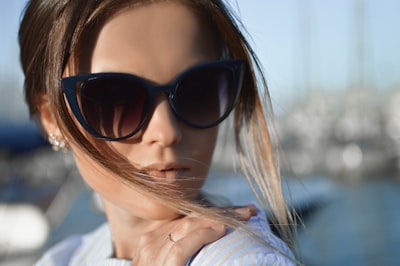
Fortunately, protecting your vision is simple. Wearing sunglasses that provide 100% UVA and UVB protection, practicing good sun safety habits, and scheduling routine comprehensive eye exams can help safeguard your eyes for years to come.
The small steps you take today can make a significant difference in preserving your vision tomorrow. If you have questions about UV protection, eye health, or would like to schedule an appointment, the team at Clay Eye Physicians & Surgeons is here to help. We’re committed to providing personalized eye care to help you see your best at every stage of life.
Frequently Asked Questions
How much UV radiation reaches your eyes on cloudy days?
Many uv rays can still reach your eyes, even on cloudy days. Up to 80 percent of harmful uv rays can pass through the clouds. So, uv exposure can still be a problem when the weather looks mild. This is why using daily protection is good. It can help lower the long-term risk of vision loss.
Which sunglasses offer the best protection against UVA and UVB rays?
Pick sunglasses that say UV400 or say they block 99 to 100 percent of UVA and UVB rays. To get more uv protection, use wraparound sunglasses or big frames. These styles help stop extra light from coming in from the sides. Just how dark the lenses are doesn’t tell you how well the sunglasses block uv rays.
What do eye health experts like the American Academy of Ophthalmology recommend for UV protection?
Advice from groups like the American Academy of Ophthalmology says you should use uv protection every day for your eye health. This means wearing protective eyewear that blocks UVA and UVB. You should wear hats and follow sun safety all year. Regular eye exams are good, too, because they help spot eye damage from the sun before you notice any signs.