
Key Highlights
- Cataracts are a common eye condition that can slowly change your vision and daily comfort.
- Your ophthalmologist looks at how much cataracts affect reading, driving, and other routine activities.
- Cataract surgeries are often considered when glasses and brighter light no longer help enough.
- Clay Eye offers surgical services through its dedicated eye surgery facility in Fleming Island, FL.
- East West Surgery Center is devoted to eye diseases and eye procedures with advanced technology.
- This focused setting helps support a smoother, more convenient patient experience.
Introduction
When everyday moments start looking a little less clear, it may be time to ask: Are your cataracts ready for treatment?
Cataracts often develop gradually, making it difficult to know when it’s time to consider surgery. Vision changes can happen gradually, leaving you wondering when—or if—it’s time to take the next step. The decision often comes down to how much cataracts are affecting your vision, independence, and everyday activities. For many patients, the next step is simply a conversation with an eye doctor about your options, the right timing, and what to expect from surgery.
Understanding Cataracts and Their Impact on Vision
Cataracts are one of the most common eye conditions, often developing so gradually that you may not notice how much your vision has changed. At first, the changes may seem minor. Over time, however, cataracts can begin to interfere with the everyday activities you once took for granted.
That’s why regular follow-up with an ophthalmologist is so important. A comprehensive eye exam can help monitor cataracts, evaluate how they’re affecting your vision, and determine whether continued observation or cataract surgery is the right next step. Below, we’ll take a closer look at what cataracts are, how they can affect your vision, and the signs that it may be time to seek further care.
What Are Cataracts?
A cataract is a gradual clouding of the eye’s natural crystalline lens. The lens assists with focusing light rays onto the retina, which in turn translates the image to the brain. After the cataract starts to cloud, it is impossible to return the lens to its clear state with drugs or medications. Laser Cataract Surgery will be required. Some people think cataracts are a growth on the outside of the eye, but it is a clouding effect occurring with the lens located inside your eye just behind the pupil. Various factors may increase the onset of a cataract, but virtually anyone who gets old enough will sooner or later develop cataracts.
In practical terms, cataracts can make the world look less sharp or less easy to manage. That can leave you squinting, adjusting lights, or depending more on visual aids than before. When those changes start building up, it is worth paying closer attention.
Your ophthalmologist can provide the guidance you need as your cataracts change over time. Comprehensive eye exams allow your doctor to monitor your vision, track the progression of your cataracts, and help you understand when it may be time to consider treatment.
Common Symptoms and Early Warning Signs
Early symptoms from cataracts may feel minimal. You might simply think your vision is “off” or that you need stronger glasses. In many cases, the bigger issue is not one dramatic change, but a steady pattern that keeps affecting comfort and confidence.
Watch for signs like these:
- Blurry or hazy vision during everyday activities
- Increasing difficulty seeing in dim, bright, or changing light
- More trouble reading, using screens, or seeing clearly at a distance
- Difficulty with tasks that once felt easy, such as driving—especially at night
- Family or friends noticing that you seem to be struggling more with your vision
When cataract symptoms begin to affect your daily routine, it’s important to bring those concerns to your ophthalmologist’s attention. A conversation about your symptoms, vision, and daily activities can help determine whether continued monitoring or treatment is the right next step.
When Is Cataract Surgery Needed?
Cataract surgery is typically considered when changes in your vision begin to interfere with everyday activities and glasses or other measures are no longer providing enough improvement. Your ophthalmologist will consider how cataracts are affecting your daily life, independence, and safety when helping you decide whether it’s time for surgery.
Assessing Your Vision Changes
The question isn’t always how advanced your cataracts are—it’s how much they’re affecting your life. While some people manage well with mild vision changes, others find that even small changes can interfere with work, driving, reading, or the activities they enjoy.
This is where a comprehensive eye exam becomes especially important. Your ophthalmologist can evaluate not only the presence and progression of cataracts, but also how much they are affecting your vision and daily life. That information can help determine whether it’s time to consider surgery.
At East West Surgery Center, Clay Eye Physicians & Surgeons’ outpatient surgery facility, advanced technology and a dedicated surgical setting helps to make the cataract surgery experience feel more streamlined and focused. Practical considerations—such as insurance coverage and questions about Medicare or Medicaid—are also important parts of planning your next steps with confidence.
Cataracts and Daily Activities
Cataracts don’t always announce themselves with a sudden change in vision. Instead, their impact can slowly work its way into everyday life. Tasks that once felt simple may become more difficult, frustrating, or less safe—and you may begin adjusting your routines without even realizing how much your vision has changed.
Common examples include:
- Avoiding driving at night or in unfamiliar places because it feels harder to see clearly
- Needing brighter light or more time to read, shop, use a computer, or complete everyday tasks
- Finding it more difficult to recognize faces or see details clearly from a distance
- Relying more on family or friends for transportation or help with certain activities
- Giving up hobbies or activities you enjoy because your vision makes them more challenging
Sometimes, the biggest sign that it’s time to consider treatment is realizing how much you’ve adjusted your life around your vision. If cataracts are affecting your independence, comfort, safety, or ability to enjoy everyday activities, a conversation about surgery may be the next step toward a better quality of life.
The Right Time for Cataract Surgery
There is no one-size-fits-all timeline for cataract surgery. The right time depends on your symptoms, your lifestyle, your vision goals, and what your ophthalmologist sees during your exam. Some people are ready to consider surgery when vision changes first begin interfering with daily activities, while others choose to wait until those changes become more disruptive.
At Clay Eye, cataract surgery is performed at our East West Surgery Center, our dedicated outpatient surgical facility designed specifically for eye procedures. To learn more about the surgery center or discuss whether cataract surgery may be right for you, contact Clay Eye Physicians & Surgeons to schedule a consultation.
Factors That Influence the Decision
Deciding when to move forward with cataract surgery is a personal decision. Your ophthalmologist will consider how your vision is affecting your everyday life, whether your symptoms are getting worse, and whether you feel ready to continue monitoring your cataracts or explore treatment.
Important factors may include:
- How much your vision is affecting work, reading, driving, travel, or other daily activities
- Whether family members or friends have noticed that you’re having more difficulty seeing or completing everyday tasks
- How your vision changes are affecting your independence, comfort, and sense of safety
- Your personal goals, lifestyle, and readiness to move forward with treatment
- Your comfort with the surgical process and having your procedure performed in a specialized outpatient surgery center
Many patients feel more comfortable knowing their procedure will take place in a setting designed specifically for eye surgery, with advanced technology and a team focused on ophthalmic care. That dedicated approach can add convenience and confidence to the experience, especially when clear planning and personalized care matter to you.
Discussing Your Options With Your Ophthalmologist
A conversation with your ophthalmologist should feel practical and personalized—not rushed. Ask how much your cataracts may be contributing to your current symptoms, what you can expect if you continue to wait, and whether surgery is likely to improve the vision problems that matter most to you.
It’s also helpful to understand the environment where your surgery will take place. Ask about the technology used, what to expect before and after your procedure, and how the surgical center is designed to support eye care. Knowing what to expect can help you feel more comfortable and prepared.
East West Surgery Center
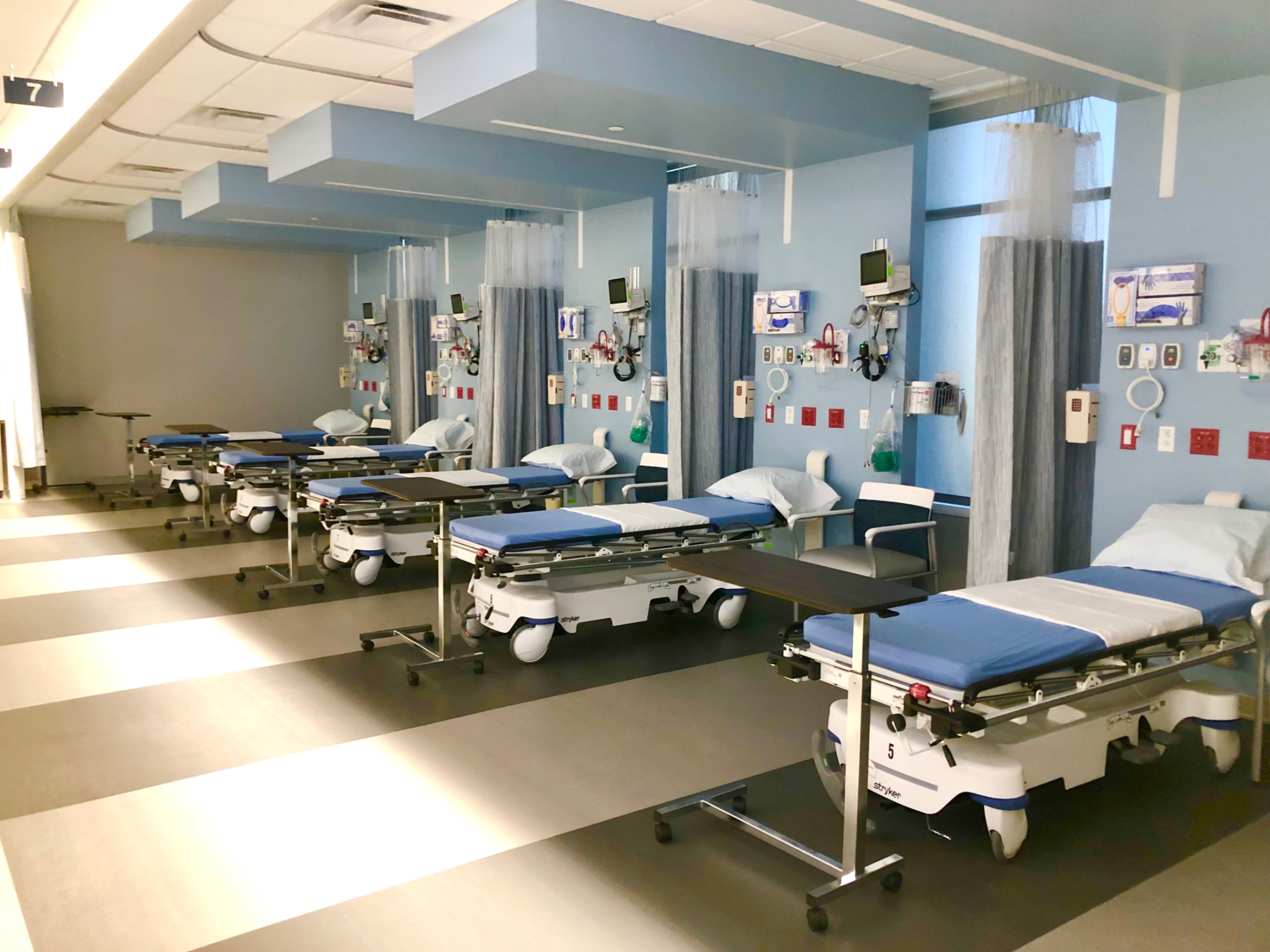
Clay Eye’s exclusive affiliation with East West Surgery Center offers patients access to a dedicated outpatient facility focused entirely on eye surgery and ophthalmic procedures. Unlike a general-use surgical facility, the center is designed specifically around the needs of eye care, supporting a more specialized surgical experience.
East West Surgery Center is a free-standing, 7,000-square-foot outpatient facility located in Fleming Island, Florida. The center is dedicated to ophthalmic care and offers cataract surgery, laser procedures, and other specialized eye surgeries. This focused setting gives patients access to a facility designed specifically around the unique needs of eye care.
Outpatient Facility Features and 7,000 Square Foot Space
One of the key advantages of East West Surgery Center is its focused design. As a free-standing outpatient facility dedicated to eye surgery, the center is designed around the unique needs of ophthalmic care rather than a broad mix of medical specialties. That focused environment can support an efficient, comfortable experience with a clear flow from arrival through recovery.

Available layout details include the following:
|
Feature |
Details |
|---|---|
|
Facility type |
Free-standing surgery center extension |
|
Size |
7,000 square feet |
|
Location |
Fleming Island, FL |
|
Operating rooms |
3 |
|
Procedure rooms |
2 |
|
Main uses |
Cataract surgery, laser surgery, additional eye procedures |
These features reflect a purpose-built setting where advanced technology and thoughtful design come together to support the specialized needs of eye surgery.
Range of Services and Eye Procedures Offered
East West Surgery Center is dedicated exclusively to eye surgery and ophthalmic procedures, offering a more specialized setting than a multi-specialty surgery center. Cataract surgery and laser procedures are among the services performed at the facility, along with other eye-related surgical care.
Services at the center include:
- Cataract surgery performed in dedicated operating rooms
- Laser procedures in a facility focused entirely on eye care
- Additional eye procedures performed in specialized procedure rooms
That level of specialization supports a focused approach to ophthalmic surgical care. For many patients, that dedicated environment can provide added confidence and peace of mind throughout the surgical experience.
Benefits of East West Surgery Center
East West Surgery Center offers a focused setting dedicated to eye surgery, creating a specialized experience for patients undergoing cataract care. As an outpatient facility designed specifically for ophthalmic procedures, the center supports efficient planning, streamlined workflows, and a surgical environment centered around the unique needs of eye care.
Convenience is another important consideration. Through Clay Eye’s affiliation with East West Surgery Center, patients can receive surgical care in a dedicated, eye-focused outpatient setting. The center’s same-day approach and specialized environment can help make the surgical experience more streamlined and accessible.
Specialized Operating and Procedure Rooms
One of East West Surgery Center’s key strengths is its purpose-built design. The facility includes three operating rooms for cataract and laser procedures, along with two procedure rooms for additional ophthalmic care, supporting a workflow designed specifically around the needs of eye surgery. With a care team, surgical spaces, and processes focused on ophthalmic procedures—and advanced technology designed to support precision—patients can experience a more organized, streamlined approach in a setting dedicated to eye care rather than a broad range of outpatient specialties. This focused environment can help make the surgical experience feel calmer, more personalized, and centered around the unique needs of each patient.
For a closer look at East West Surgery Center, watch our video tour of the facility.
Conclusion
Knowing when to consider cataract surgery is an important step toward protecting your vision and maintaining your quality of life. At Clay Eye Physicians & Surgeons, patients have access to surgical care through our exclusive affiliation with East West Surgery Center, a dedicated 7,000-square-foot outpatient facility in Fleming Island designed specifically for eye procedures. With specialized operating and procedure rooms, advanced technology, and a focused ophthalmic environment, the center is designed to support a streamlined surgical experience. If changes in your vision are affecting your daily life—or you’re simply wondering whether it may be time to consider cataract surgery—schedule a consultation with your Clay Eye ophthalmologist to discuss your options and determine the next step that’s right for you.
Frequently Asked Questions
What is the difference between a surgery center and a hospital for cataract surgery?
Unlike a hospital, which provides a wide range of medical services, an outpatient surgery center is designed specifically for procedures that typically allow patients to return home the same day. For cataract surgery, a specialized setting can offer a more focused and convenient experience. Questions about insurance and Medicare coverage can also be addressed as part of the planning process.
Cataract Surgery Recovery: What to Expect
As an outpatient procedure, cataract surgery generally allows you to go home the same day and recover in the comfort of your own home. Your ophthalmologist will provide personalized post-operative instructions and follow-up care. For many patients, having surgery in a facility dedicated to ophthalmic procedures adds to the convenience and streamlined nature of the experience.
How do I schedule a consultation for cataract surgery?
If you are noticing changes in your vision or wondering whether it may be time to consider cataract surgery, the first step is to schedule an appointment with Clay Eye Physicians & Surgeons. During your exam, an ophthalmologist can evaluate your cataracts, discuss how they may be affecting your vision and daily activities, and help you understand whether continued monitoring or surgery is the right next step.
You can contact Clay Eye at (904) 272-2020 or request an appointment through the Clay Eye website. Clay Eye has locations throughout North Florida, and cataract surgery is performed at East West Surgery Center in Fleming Island.