

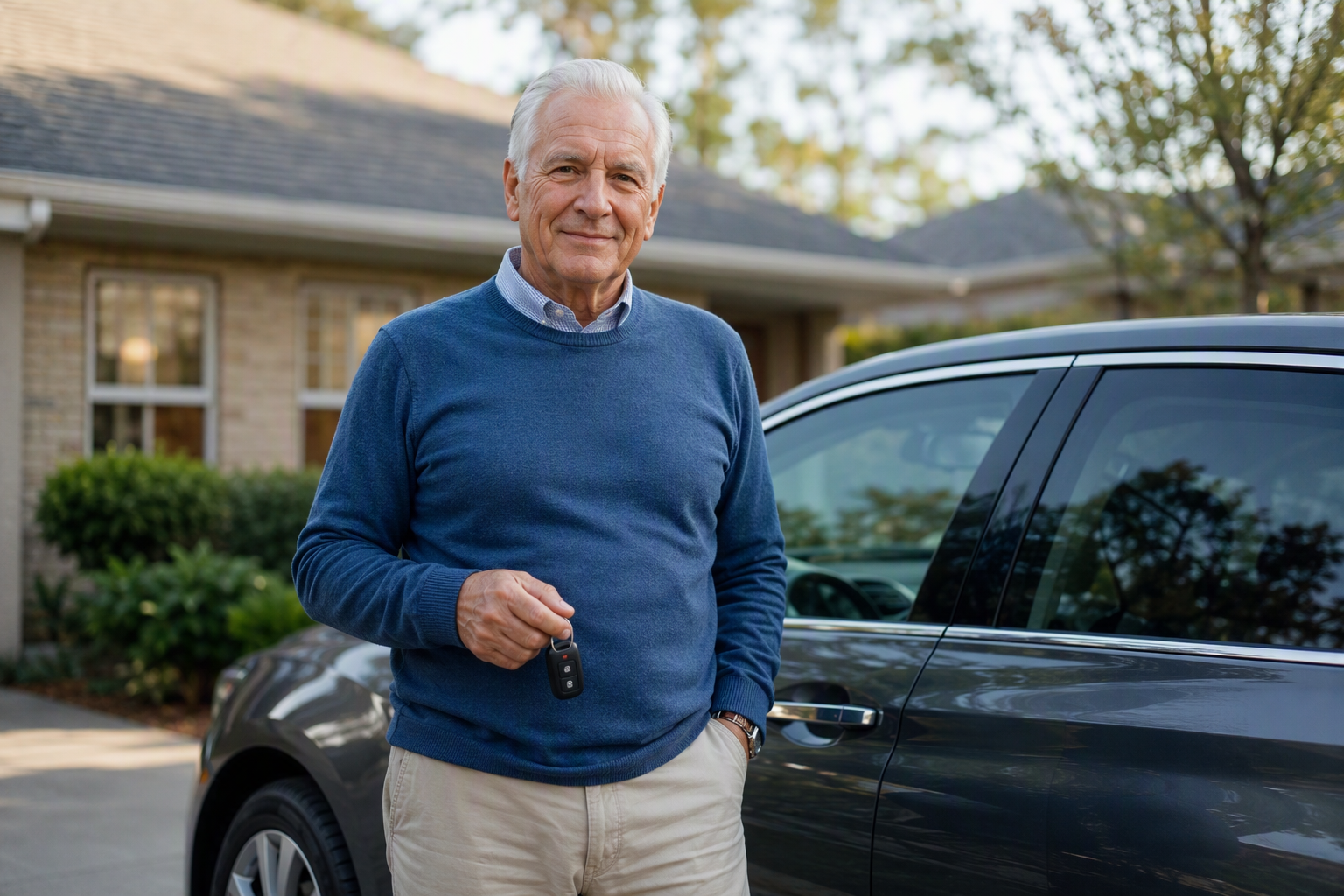
Highlights
- Aging-related vision loss can affect safe driving, reaction time, and overall driver safety. Older drivers may struggle with glare, low light, and reading road signs clearly. According to the American Academy of Ophthalmology, changes in visual acuity and peripheral vision can raise traffic safety risks.
There are self-assessment tools available for older drivers to evaluate their own driving abilities as their vision changes. These tools often focus on areas such as peripheral vision, reaction time, visual acuity, and the ability to safely interpret road signs, helping individuals make informed decisions to support traffic safety.
- Older drivers may struggle with glare, low light, and reading road signs clearly.
- Changes in visual acuity and peripheral vision can raise traffic safety risks.
- Warning signs include close calls, missed hazards, and growing anxiety behind the wheel.
- An annual comprehensive eye exam helps identify vision changes early.
- If driving becomes unsafe, alternative transportation can still protect independence and quality of life.
Introduction
For many older adults, driving means freedom and a set routine. It also gives a sense of control. But vision changes can affect driving status without you noticing right away. You may feel confident, but road signs may be harder to see. Night driving may also feel stressful. Knowing when to give up your car keys is not giving up too soon. It is about protecting your safety and the safety of others. Looking at age-related vision issues can help you make a smart choice.
Aging, Vision, and Driving Safety
Driving is all about what you can see, how fast you pick up on things, and how you react after noticing them. Older drivers, with just a bit of vision loss, might find it harder to stay safe on the road. Missing a person crossing the street, not seeing highway signs, or getting blinded by bright sunlight can be risky fast.
As you age, changes in vision can affect driving safety. Understanding how aging may impact your eyesight can help you stay safe on the road. The following sections explore common age-related vision changes and their impact on driving and traffic situations.
Healthy Vision Matters
Safe driving requires more than clear central vision. Good visual acuity helps you read signs, judge distances, and spot hazards, while peripheral vision helps you see vehicles, pedestrians, and objects around you.
Changing light conditions, glare, and headlights can also temporarily affect vision. Age-related vision changes can make driving more challenging, so regular eye exams are important for staying safe on the road.
Age-Related Eye Changes Affect Driver Safety
Aging can affect vision in ways that impact driving. Smaller pupils and reduced low-light vision can make driving at dusk or night more difficult and may affect how quickly you respond to hazards.
Conditions such as macular degeneration and diabetic retinopathy can also impair vision and make signs, traffic, and road hazards harder to see.
If you notice more close calls, difficulty driving at dawn or night, or concerns from family or healthcare providers, schedule a comprehensive eye exam to help ensure you’re driving safely.
Vision Changes Impacting Older Drivers
Vision impairment might make it harder to read signs, see the difference between things, handle glare from lights, or notice cars and people near you. These changes can lead to more danger, even on roads you know well.
Vision changes can happen gradually, and you may not always notice them right away. Understanding common changes can help you feel confident that your vision is supporting safe driving—for you and everyone on the road. Here are two key concerns to keep in mind.
Decreased Visual Acuity
Reduced visual acuity can make it harder to read signs, see traffic signals, and spot hazards in time. Night vision may also decline with age, making glare, dim lighting, and pedestrians or road hazards harder to see.

If driving at dawn, dusk, or night feels more difficult than it used to, talk with your eye doctor. A comprehensive eye exam can help identify vision changes and support safer driving.
Peripheral Vision and Depth Perception
Peripheral vision and depth perception are important for safe driving. Reduced peripheral vision can make it harder to notice nearby cars, cyclists, or pedestrians, while reduced depth perception can affect parking, merging, and judging distances.
If you find yourself misjudging space, drifting in lanes, or feeling less confident in busy areas, talk with your eye doctor. An eye exam can help identify vision changes that may affect driving.
Warning Signs It’s Time…
The decision to stop driving often happens gradually. More stress, slower reactions, or changes in vision can be important warning signs worth discussing.
Safe driving depends on good judgment and clear vision. Recognizing these changes can help you determine when it may be time to consider other transportation options for your safety and the safety of others.
Red Flags
Sometimes, changes in driving habits can reveal vision concerns before an accident happens. Close calls, delayed reactions, difficulty reading signs, or increased anxiety behind the wheel are important signs to notice.
- Close calls because you didn’t see a person, object, or vehicle
- Feeling more nervous while driving
- Slower reactions in traffic
- Getting lost on familiar routes
- Concerns from family or trusted friends
These signs aren’t a failure—they’re an opportunity to talk openly about driving safety and schedule an eye exam.
Changes To Watch For
Family members may notice driving-related vision changes before an older driver does. Squinting, avoiding night driving, difficulty reading signs, or trouble seeing traffic can signal changes that affect safety.
Watch for:
- New flashes and floaters, or blocked vision
- Difficulty seeing signs or traffic at dawn or dusk
- Sensitivity to headlights or bright sunlight
- Missing vehicles, pedestrians, or objects from the side
If you notice these changes, a comprehensive eye exam is an important next step.
Comprehensive Eye Exams
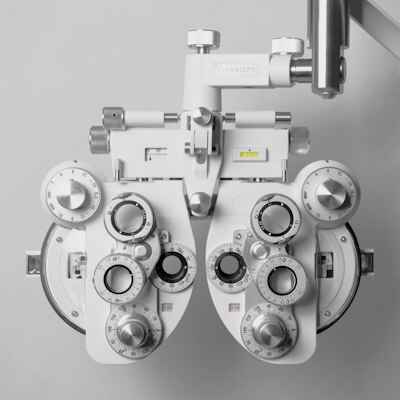
An annual comprehensive eye exam is an important part of protecting your vision and staying confident behind the wheel. Because vision changes can happen gradually, you may not notice them right away.
Regular eye exams help identify changes early and give you the information you need to feel confident about your vision and driving safety.
Detecting Early Vision Problems
Vision changes may not be noticeable until they begin affecting daily life. A comprehensive eye exam can detect problems earlier, helping you understand how your vision may affect driving.
Your eye doctor can also identify conditions that may affect your ability to read signs, manage glare, or see clearly in low light, allowing you to address changes before they become a safety concern.
|
Vision issue or concern |
Possible effect on driving |
|---|---|
|
Decreased pupil size |
Harder adjustment to ambient light and more glare in bright sunlight |
|
Presbyopia |
Difficulty seeing close objects and reading dashboard or nearby signs |
|
Myopic creep |
Trouble seeing vehicles or highway signs in the distance |
|
Vitreous detachment |
Flashes of light, floaters, or spots that interrupt the line of vision |
|
Loss of peripheral vision |
Reduced awareness of vehicles, blind spots, and lane position |
|
Dry eyes |
Burning or stinging that can distract you behind the wheel |
Transition from Driving
Giving up driving can feel like losing more than transportation. It may affect independence, confidence, and daily routines, bringing feelings of frustration, grief, or fear.
With support and a thoughtful plan, this transition can still preserve safety, independence, and connection. Starting with an open conversation and exploring practical transportation options can make the change feel more manageable.
Conversation About Surrendering Keys
Changes in driving can be a natural part of aging, and needing to adjust your routine doesn’t mean giving up your independence. With the right support and planning, you can continue enjoying the people, places, and activities that matter most to you.
If driving becomes less comfortable or safe, an open conversation and practical transportation options can help you make the transition with confidence while maintaining your independence and connection.
Transportation Alternatives
If you stop driving, there are many ways to stay active, independent, and connected. Transportation options can help with medical appointments, shopping, errands, and social activities.
Options may include:
- Public transportation
- Senior ride programs
- Rideshare services
- Local taxis
- Rides from family or friends
Choosing transportation that fits your needs isn’t giving up independence—it’s a way to maintain it.
Independence
When older adults stop driving, it can change more than how they get around. It can touch the way they live, who they see, and how they feel. This is why transportation play such an important role in helping keep their quality of life strong after they stop driving.
The key is to get support and plan ahead. You need to stay active and keep seeing people, not pull back. This can help you hold on to good routines and lower the emotional stress that comes from no longer driving. The next two sections will talk about staying steady in your social life and feelings during this time.
Recognizing Limits
Not every vision change means you need to stop driving right away. Some older adults with mild vision changes may continue driving safely by recognizing their limits and making adjustments.
The goal is to reduce risk while maintaining independence. Regular eye exams thoughtful driving habits, and knowing when it’s time to stop can help keep everyone safer on the road.
Adaptive Techniques
If you still drive and have mild vision loss, small changes can help you stay safe. The best ways to adapt are simple and fit the problems you face, like glare, low light, or trouble seeing at different times of day. A safe driver knows when to change habits instead of trying to push through hard times.
Older adults should try to stay away from the hardest road conditions. This means picking routes and times that fit how well you can see now.
- Avoid driving at dusk, dawn, or night if you do not see well in low light
- Limit trips during bright sunlight if glare makes it hard to see
- Stay on familiar roads with easy, known road conditions
- Keep windshields and lenses clean to get a better line of vision
- Go for regular eye check-ups to watch for changes
These steps can help for a while, but they do not take the place of being honest with yourself about whether it is still safe to drive.
Using Alternative Options
The shift needs to happen when vision impairment starts to get in the way of basic driving, and if it happens again and again. When you cannot read signs well, when glare causes temporary loss of clear vision, or you miss hazards even when you try, safe driving is no longer a real option.
Older drivers should also stop when people they trust point out problems, or when they always feel nervous. Feeling unsafe is important to notice. Repeated close calls, problems seeing at dusk, and slow reactions in traffic matter a lot. These are not small things, especially with a vehicle in play.
At this point, using alternative transportation is the safer choice. Picking another way is not quitting. It is acting responsibly to the change. Acting early protects you, your passengers, and others on the road.
Conclusion
Deciding when to stop driving is a deeply personal step, but it doesn’t have to mean giving up your independence. Regular eye exams, honest conversations, and recognizing changes in vision can help you make informed choices with confidence.
Whether that means adjusting your driving habits or exploring new transportation options, the goal is the same: protect your vision, preserve your independence, and stay connected to the people and places you love. Prioritizing eye health today can help you enjoy a safer, more active tomorrow.
Frequently Asked Questions
Are vision changes making it harder or less safe for my mom to drive?
Some signs that show safe driving is getting harder are trouble reading street signs, glare from headlights, close calls, slower reactions, getting lost, and having a hard time driving at dusk or dawn. Older drivers may notice these signs because of vision loss or vision impairment. These signs mean driving safely can be a problem.
When should declining vision mean it’s time to stop driving?
A person should think about changing their driving status if vision impairment often makes it hard to do simple driving tasks. This can include reading signs, seeing things in front of the car, or reacting quickly. Older drivers with medical conditions who have a lot of near misses, or get strong feedback from other people, should stop and check if safe driving is still possible for them.
How do I talk with my dad about giving up the car keys?
Family members need to pick a quiet time to talk. They should be polite and talk about clear vision concerns and safety risks. When they talk about car keys, they should talk about other ways to get where they want to go. Give support and talk about how to keep quality of life high, so older drivers feel cared for and not controlled.
When Should My Parents Stop Driving?
Determining when your parents should stop driving involves assessing their overall health, vision, and ability to react quickly. Signs include difficulty judging distances, frequent accidents, or getting lost. If concerns arise about their safety, consider discussing the issue with them compassionately and exploring alternative transportation options for their independence.
