

Key Highlights
- Screen time has become an essential part of work, school, and everyday life, but spending long periods in front of digital devices can contribute to eye discomfort and fatigue.
- Digital eye strain can cause symptoms such as dry eyes, blurry vision, headaches, difficulty focusing, and tired or irritated eyes after prolonged screen use.
- Although blue light from digital devices has received significant attention, current evidence has not shown that everyday screen exposure causes eye disease. However, screen use may affect visual comfort and sleep patterns.
- Many symptoms associated with screen use are related to habits such as reduced blinking, prolonged close-up viewing, screen positioning, and poor posture rather than the screens themselves.
- The good news is that simple changes—including taking regular breaks, practicing healthier screen habits, and maintaining routine comprehensive eye exams—can help protect your eye comfort and overall vision.
Introduction
Screen time is part of almost every part of your day. You might use a computer at work, check social media on your phone, watch your favorite shows at night, or help your child study on a tablet. With so much time spent looking at digital devices, it’s not surprising that your eyes may sometimes feel tired, dry, irritated, or blurry.
Understanding how screen time can affect your eyes can help you recognize symptoms early and make simple changes to improve your visual comfort. It can also help you know when it’s time to schedule a comprehensive eye exam.
The Rise of Screen Time in Modern Life
Screens are no longer limited to one place or one purpose. We use phones, tablets, TVs, and computers for work, school, entertainment, communication, and social media. The more time you spend using digital devices, the more time you may spend looking at something up close. This can lead to less frequent blinking and prolonged periods of close-up focusing, which may contribute to eye discomfort and fatigue.
There’s another side to screen time, too. The World Health Organization recommends reducing sedentary time and making room for regular physical activity. Spending long periods on digital devices can sometimes mean moving less and spending less time outdoors.
Many people also have questions about blue light from screens. While blue light may affect sleep and visual comfort, everyday screen use has not been shown to cause eye disease. In many cases, how you use your devices—how long you look at them, how close they are, and how often you take breaks—may have a greater impact on how your eyes feel.
Average Screen Time Among Americans: TV, Phones, Tablets, and Computers
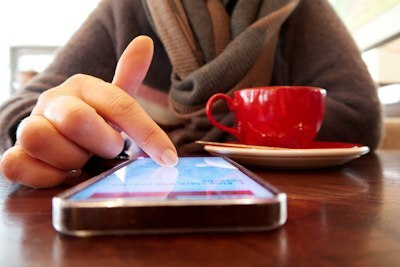
Many Americans use several digital devices throughout the day rather than relying on just one. A typical day might include checking your phone throughout the day, working on a computer, browsing on a tablet, and watching television in the evening. All of that screen time can add up quickly—especially when recreational screen use continues after the workday or school day ends.
|
Device |
Common daily pattern |
|---|---|
|
TV |
Longer evening viewing sessions |
|
Phone |
Frequent short checks across the day |
|
Tablet |
Reading, browsing, streaming, and games |
|
Computer |
Long periods for work, school, and tasks |
So, how much screen time is too much for adults when it comes to eye health? There is no single hourly limit that applies to everyone. Instead, the impact of screen time depends on how long you use a device, how closely you view it, and whether you take regular breaks.
When possible, consider limiting recreational screen time outside of work or school, taking regular breaks to rest your eyes, and keeping screens at a comfortable viewing distance. While blue light from digital devices may affect sleep and visual comfort, the duration and viewing habits associated with screen use are generally more important factors when it comes to digital eye strain.
Factors Contributing to Increased Device Usage
Several factors throughout the day can increase how much time you spend on digital devices. Work and school may require hours on a computer, while streaming, online shopping, messaging, and social media can keep you looking at screens well into the evening. Because screen use is spread across so many activities, you may not realize just how much of your day is spent looking at a screen—often at a relatively close distance.
Common reasons screen time has increased include:
- Remote work, online learning, and prolonged computer use
- Social media, streaming, and mobile gaming
- Short-form content that encourages frequent checking and scrolling
- Less time spent outdoors and being physically active
What Are the Main Ways Screen Time Affects Your Eyes?
The most common effects of prolonged screen use are related to digital eye strain. When you concentrate on a screen, you tend to blink less often, which can contribute to dry, irritated eyes. Looking at something up close for extended periods can also cause temporary eye fatigue and difficulty shifting focus.
Glare, poor lighting, and an uncomfortable viewing position can add to the problem, while poor posture may contribute to neck, shoulder, and overall discomfort.
For children and teenagers, there is an additional concern. A high amount of near work and limited time outdoors have been associated with an increased risk of myopia (nearsightedness) and myopia progression. For growing eyes, balancing near-screen activities with outdoor time is especially important.
How Screens Impact Eye Health
Screen use does not typically cause permanent damage to your eyes, but prolonged screen time can make your eyes feel uncomfortable and affect your day-to-day quality of life. Spending long periods focusing on a screen can lead to temporary symptoms such as blurry vision, headaches, dry or irritated eyes, and a burning or tired feeling as the day goes on.
Digital eye strain is generally related to how you use screens rather than being a new eye disease. When you concentrate on a screen, you tend to blink less, which can contribute to dryness and irritation. Glare, poor lighting, an uncomfortable viewing position, and extended periods of close-up work can also make symptoms worse.
Understanding these factors can help you make simple changes that reduce digital eye strain and keep your eyes more comfortable throughout the day.
Blue Light Exposure and Eye Fatigue
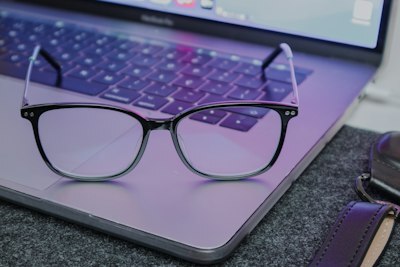
Blue light is a type of visible light that comes naturally from the sun and is also emitted by LED lighting and digital screens. Although blue light often gets blamed for screen-related eye discomfort, current evidence does not show that blue light from digital devices damages the retina or causes eye disease.
That does not mean blue light has no effect. Exposure to blue light in the evening can interfere with the body’s natural release of melatonin, which may affect your sleep-wake cycle and make it harder to fall asleep. Poor sleep can also leave your eyes feeling more tired or uncomfortable the following day.
If you use screens in the evening, consider lowering the screen brightness and using your device’s night or warm-color setting. Limiting screen use before bedtime may also support better sleep.
The Link Between Screen Time and Digital Eye Strain
Digital eye strain, sometimes called computer vision syndrome, is common among people who spend significant amounts of time using computers, phones, tablets, and other digital devices. When you concentrate on a screen, you tend to blink less frequently and keep your eyes focused at a fixed, relatively close distance for extended periods. This can contribute to dryness, temporary focusing fatigue, and overall eye discomfort.
Common factors that contribute to digital eye strain include:
- Reduced blinking: Blinking less often can cause the eyes to become dry or irritated.
- Screen position and viewing distance:A screen that is too close or positioned at an uncomfortable height can increase visual and physical discomfort.
- Glare and lighting:Reflections, excessive brightness, or poor contrast can make your eyes work harder to see the screen comfortably.
- Prolonged close-up work:Looking at a screen for long periods without taking breaks can contribute to eye fatigue.
Screen Time and Children’s Eye Health
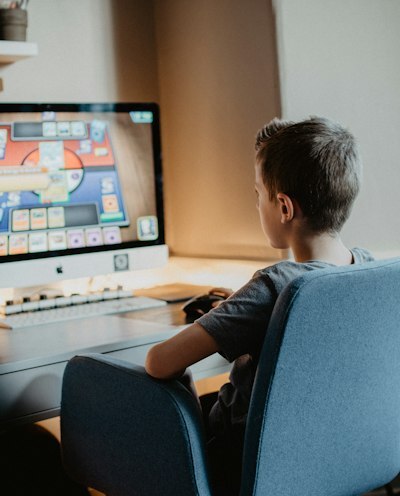
Children’s eyes are still developing, which makes healthy vision habits especially important. There is currently no evidence that ordinary screen use causes immediate or permanent damage to children’s eyes. However, spending long periods on screens can contribute to eye discomfort and may reduce the amount of time children spend outdoors.
Extended close-up activities—including screen use, reading, and other near work—can contribute to eye strain. Research also suggests that limited time outdoors and increased amounts of near work are associated with a greater risk of myopia (nearsightedness) and myopia progression in children.
Families don’t need to avoid screens altogether. Instead, establishing healthy screen habits can help support comfortable vision and overall well-being. Encourage children to take regular breaks, spend time outdoors, and avoid holding screens too close to their faces.
In the sections below, we’ll look at which children may be more likely to develop vision problems and the warning signs parents should watch for.
Why Kids Are Particularly at Risk
Kids often sit with phones or tablets right up close to their faces. They can get lost in what they are watching or playing, which means their eyes do a lot of focused work without many breaks. When they choose screen time instead of spending time outside, their eyes might miss out on something that helps them grow and stay healthy.
Important risk factors for children’s eye health are:
- Spending long hours looking at screens up close
- Having less outdoor time and not moving around as much
- Using screens for fun even after doing what school asks
Is there a risk to children’s eyes from too much screen time? Yes, there is. Too much screen use has been linked to myopia development, and it may make changes worse for kids who are already nearsighted. Sitting in front of screens for long times can also leave less time for movement, play, outdoor time, and seeing other people—all things that help keep kids healthy.
Managing Your Screen Time Wisely
Managing screen time doesn’t mean giving up digital devices. It means using them in ways that support healthy vision and eye comfort. For many people, that starts with reducing unnecessary screen time and giving your eyes regular breaks from prolonged close-up tasks.
Even small changes can make a difference, especially in the evening. Taking regular breaks, limiting recreational screen use, and scheduling routine comprehensive eye exams can help you maintain comfortable, healthy vision over time.
The following sections cover practical screen-time recommendations for adults and children, along with simple ways to give your eyes a break throughout the day.
Expert Recommendations for Adults and Children
There is not one set number of hours that counts as too much screen time for every adult. Many people need to be on screens a lot for work or school. For good eye health, the main thing is to see if your daily screen habits include breaks, the right screen distance, and enough time away from looking at things up close.
Experts say adults should try to cut back on recreational screen time, like scrolling or watching shows, when they can—especially after work. For kids, rules are even more important. They say children under 2 should not use screens at all, except for video calls. Kids ages 2 to 5 should keep it to just one hour a day.
So, how much screen time is too much for adult eye health? It is too much if you notice your eyes hurt often, spend long times on the screen without stopping, or skip moving and resting because of screen use. Going for regular eye exams lets the eye doctor find signs of extra stress from too much screen time.
Tips for Taking Effective Eye Breaks
Taking regular eye breaks is best when you do it often and on purpose. A short break can help your eye muscles, make you blink more, and ease some of the stress that builds up from computer vision syndrome. The important thing is to stop looking at close-up work. That means looking away from screens, not just switching from one to another.
Try these easy tips when you use a screen:
- Follow the 20-20-20 rule every time you use a screen
- Look across the room or outside a window to give your eyes a break
- Stand up and move around when you take your regular breaks
- Get some outdoor time when you can
If you want to cut down on eye discomfort from screens, make breaks a regular habit, not just every now and then. Try not to use screens a lot in the one or two hours before bed. This can help your wake cycle and might help you sleep better. Better sleep can also help your eyes feel good the next day.
Conclusion-How Screen Time Affects Your Eye Health
Understanding how screen time affects your eye health is more important than ever. With digital devices playing such a large role in work, school, and everyday life, healthy screen habits can help reduce digital eye strain and keep your eyes more comfortable.
Simple changes—such as taking regular breaks, maintaining a comfortable viewing distance, reducing glare, and spending time away from screens—can make a difference. Routine comprehensive eye exams are also an important part of maintaining healthy vision and addressing any concerns early.
If you have questions about screen time, digital eye strain, or your overall eye health, Clay Eye Physicians & Surgeons is here to help. With five convenient locations throughout North Florida, 17 experienced physicians, and a commitment to comprehensive eye care, our team is ready to help you protect your vision at every stage of life.
Ready to give your eyes the care they deserve? Schedule your comprehensive eye exam with Clay Eye today.
Frequently Asked Questions
Can too much screen time permanently damage my eyesight?
Normal screen use has not been shown to cause permanent damage to your eyesight. However, prolonged screen use can contribute to temporary symptoms such as dry eyes, blurry vision, headaches, and tired or irritated eyes.
For children and young adults, spending long periods on close-up activities and having limited outdoor time may be associated with myopia (nearsightedness) and myopia progression. If vision changes or eye discomfort persist despite taking breaks and improving your screen habits, a comprehensive eye exam can help identify an underlying vision problem, dry-eye condition, or other eye health concern.
Do blue light glasses actually help prevent eye issues?
Blue light filters or blue-light glasses may improve comfort for some people, but they are not the primary solution for digital eye strain. Healthy screen habits—such as taking regular breaks, blinking frequently, and adjusting screen brightness, contrast, and viewing distance—are more important for reducing discomfort.
If you experience persistent dryness, blurry vision, or difficulty focusing, an eye exam can help determine whether you need treatment for dry eye, an updated prescription, or another underlying condition. While blue-light glasses may help some people feel more comfortable, they have not been shown to prevent eye disease or permanent eye damage from screen use.
