


Key Highlights
- Diabetes can hurt your eye health even before you feel anything is wrong.
- High blood sugar levels may harm the tiny blood vessels in your eyes and make you more likely to lose vision.
- Diabetic retinopathy is a common diabetic eye disease that is a big cause of blindness.
- People with diabetes often get cataracts and glaucoma more than others.
- A comprehensive dilated eye exam helps with early detection and early treatment.
- During Healthy Aging Month, Clay Eye asks people to get regular eye exams and keep up with their diabetes care.
Introduction
Healthy aging is not just about feeling good. It is about taking care of different parts of your health so you can enjoy life. This includes your vision. People who have diabetes need to pay close attention to their eyes. Diabetes can hurt the blood vessels in the retina over time. This makes it more likely to get diabetic retinopathy, cataracts, glaucoma, and other vision problems.
The good news is that you can keep your eyes healthy. It starts with early detection and stopping problems before they get worse. In fact, this is the best way to help your vision.
The CDC https://www.cdc.gov/vision-health-data/index.html says that more than 90% of vision loss caused by diabetes can be stopped with early detection and treatment.
At Clay Eye Physicians & Surgeons, we feel that you should be able to see well and feel sure of yourself at every age. For Healthy Aging Month, we want to talk more about how diabetes can be linked to eye health. We also want to show how regular comprehensive eye exams help keep your sight safe as you get older.
Understanding the Link Between Diabetes and Eye Health
Diabetes can hurt your eyes, mainly if blood sugar stays high for a long time. When blood sugar goes up or down, it can make things look blurry for a little while. This happens because blood sugar levels and glucose levels affect the fluid and the damaged blood vessels in your eyes. The fluid and tissues in the eye help you see. So, changes in blood sugar may cause blurry vision.
The main worry is about what can happen as time goes by. High blood sugar that stays up for a long time can harm the tiny blood vessels found in the retina. The retina is at the back of your eye, and it helps you see. The tiny blood vessels can leak, swell up, get blocked, or grow new blood vessels that are not normal. All of this can change how you see. If you do not treat these problems, there is a risk of permanent vision loss.
That is why it is important for anyone who has diabetes to have eye care exams with an eye care professional on a regular basis. Early detection helps find changes in your eyes before they cause big problems with your vision. This also lets treatment start at a time when it can work best for you.
Why Eye Health Matters for People with Diabetes
Diabetes can change your vision before you feel anything is wrong. In the early stages, eye disease from diabetes may not cause pain or big changes in how you see. But there can still be damage happening inside your eyes. This puts you at a higher risk. That is why you should not wait for signs before getting your eyes checked.
High blood sugar raises the chance of getting sick. High blood pressure and high cholesterol also do the same. Smoking is another thing that can hurt you. Your age matters, too. The risk goes up the longer you have diabetes.
Your eyes are important for daily things like reading, driving, and seeing people you care about. They help you stay independent. Regular eye exams can keep your eyes healthy. Taking care of diabetes can help protect your vision. This will help you enjoy healthy aging for years.
How High Blood Sugar Impacts Vision Over Time
High blood sugar can make your vision blurry for some time. This happens because it changes the fluid in your eye and makes it hard for you to focus. When blood sugar gets back to a better level, some people find that their vision gets better too.
Over time, high blood sugar can hurt the tiny blood vessels in the retina. These blood vessels may leak or swell. They can also get blocked. When this happens, the eye might try to grow new blood vessels. These new blood vessels are weak. They can bleed or make scar tissue grow.
Diabetic eye disease can lead to:
- A retinal or macular swelling
- Bleeding and scarring inside the eye
- Partial or permanent vision loss if it is not found early
Common Diabetic Eye Diseases
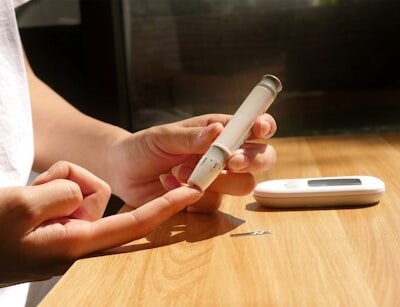
Diabetic eye disease happens in people with diabetes, and it can change how you see. The most common kinds are diabetic retinopathy, diabetic macular edema, cataracts, and glaucoma.
These eye disease problems can hurt your vision and make everyday life harder. It is important to look out for signs of diabetic retinopathy and macular edema if you have diabetes.
Some eye problems can harm the retina. Others may affect the lens or optic nerve. A regular eye exam helps with early detection. This can protect your vision.
Diabetic Retinopathy: Progression and Warning Signs
Diabetic retinopathy happens when diabetes hurts the blood vessels in the retina. The retina is found at the back of the eye and helps you see. This problem is a main cause of vision loss and blindness in people who have diabetes.
In the early stage, blood vessels may become weak or start to leak. As the disease goes on, blood vessels can get blocked. You might also get new blood vessels that are not normal. These changes can cause bleeding, scarring, and big vision changes.
Diabetic Macular Edema and Its Effects
The macula is a part of the retina. It lets you see clearly, and helps you read, drive, and know faces. When you have diabetes, fluid can build up in the macula. This can cause macular edema, especially diabetic macular edema. Your central vision may get blurry because of this.
DME can show up when you have diabetic retinopathy. It may get worse as time goes on if it is not treated. You should have regular eye exams. These can help find it early and keep your vision safe.
Increased Risk of Glaucoma and Cataracts with Diabetes
Diabetes does more than harm the retina. It can also raise your risk of getting glaucoma and cataracts. People who have diabetes are about two times more likely to have these problems.
- Glaucoma harms the optic nerve and can slowly lead to vision loss. People may lose their side vision first.
- Cataracts make the lens of the eye cloudy. This can cause blurry vision and colors to look less bright. People with diabetes might get cataracts at a younger age.
Regular eye exams help the doctor find problems early. This can protect your vision. Getting a regular eye check is a good way to keep your eyes safe.
Early Warning Signs and Symptoms to Watch For
Diabetic eye disease can show no signs at first. Damage can happen early, and you may not feel it. So, it is important to get regular eye exams even if your eyes feel okay. Regular eye checks help find eye disease in its early stages.
When symptoms show up, you may see blurry vision or feel your sight change. You may notice wavy lines, dark spots, flashes of light, faded colors, or drops in your eyesight that feel like blind spots. If you see your vision change all of a sudden, get it checked right away.
Blurry Vision and Fluctuating Sight

Blurry vision is to be one of the first signs when diabetes starts to change the eyes. When blood sugar goes up and down, it can change the tissues in the eye. This can make it hard to see clearly. Your vision could get better if blood sugar is back in the healthy range.
It’s important not to ignore blurry vision, especially if it keeps coming back or will not go away. This can sometimes show that there are changes in the back of your eye. If you have blurry vision that gets worse or does not go away, you should get an eye exam. A full eye exam can help you find out what is the reason for the problem and protect your sight.
Other Visual Changes and When to Be Concerned
Not all eye symptoms are simple to spot. You might see dark spots, flashes of light, changes in color, or notice your vision goes up and down. These can be signs of diabetic eye disease. The national eye institute says that early damage may show no signs at all. This is why having regular eye exams matters, even if your vision seems fine.
Call your eye doctor promptly if you notice:
- A sudden rise in floaters
- Flashes of light
- A shadow or “curtain” covering your sight
These quick changes can show that there may be a serious eye problem. It could be retinal detachment. You need to get checked by a doctor right away.
Importance of Comprehensive Eye Exams
A dilated eye exam is important for people who have diabetes. It helps your eye doctor look at the back of your eye. This means they can find issues early, even if you do not feel anything is wrong yet.
Early detection helps start treatment before you lose a lot of vision. During your eye exam, the doctor may check your vision, eye pressure, and your eye health. Eye care is not just about seeing well. It is also about finding disease early and keeping your vision safe for many years.
How Often Should Adults with Diabetes Have an Eye Exam?
For many people who have diabetes, it is good to get a full eye exam each year. This is because eye disease from diabetes can start without any pain or signs that you can see or feel.
Your schedule can change depending on your health and eye history. You may need to get more eye exams if you have eye disease or if you are pregnant.
General guidelines:
- Type 1 diabetes: Start getting an eye exam every year within five years after you know you have the disease.
- Type 2 diabetes: Begin eye exams when you are told you have the condition.
- Pregnancy with diabetes: Get an eye exam before you are pregnant or in the first three months of pregnancy.
Regular exams help spot changes early. They give you the best chance to keep your vision safe.
Age-Based Recommendations for Eye Screenings
As people get older, they can get a higher risk of vision loss because of diabetes. Healthy Aging Month is a good time to focus on your eye health.
Your best exam schedule will depend on your type of diabetes, how long you have had it, and your health overall. Most people get a full eye exam every year. Some will need to get checked more often.
Your eye care team can tell you when you should come in for visits. This helps to find any changes early and protect your vision.
|
Group |
Eye exam recommendation |
|---|---|
|
Adults with Type 1 diabetes |
Begin yearly exams within 5 years of diagnosis |
|
Adults with Type 2 diabetes |
Begin yearly exams right after diagnosis |
|
Pregnant women with Type 1 or Type 2 diabetes |
Have an exam before pregnancy or within the first 3 months, with follow-up as advised |
|
Older adults with diabetes or added risk factors |
Follow yearly exams or more often if your health care team recommends it |
Preventing Vision Complications from Diabetes
The best way to keep your eyes healthy is to control your blood sugar. Be sure to have regular doctor visits and eye care too. Do not wait until you notice vision changes. Start caring for your eyes now.
Healthy habits are important for your eyes. You should watch your blood pressure and cholesterol levels. It helps to keep active, and you should not smoke. These steps can lower your chance of getting eye disease linked to diabetes. Getting regular eye exams is also good. A doctor can find and treat troubles early. This helps keep your vision safe for many years.
Steps to Protect Your Eyesight and Maintain Healthy Vision
Taking care of diabetes and eye care often work together. Small steps, done every day, can help keep your vision safe. These actions also lower your chance of having serious eye problems. With the right medical care, you can help protect your eyes for a long time.
Focus on the basics:
- Be sure to get eye exams often. This should include a detailed checkup when your doctor says it’s time.
- Keep your blood sugar in a healthy range. Stick to your A1C goals.
- Watch your blood pressure and cholesterol to keep them down.
- Make time for regular physical activity and stay active.
- If you smoke, try to stop.
It’s never too late to get started. You can work with your health care team to put your eye health first. Doing this can help keep your vision safe for many years.
The Role of Blood Sugar and Lifestyle Management
Keeping blood sugar, blood pressure, and cholesterol at good levels can help protect the blood vessels in your eyes. This can lower your risk of getting eye disease that comes from diabetes.
Healthy habits help protect your eye health. When you stay active, eat foods that are good for you, and avoid smoking, you help your eyes. This might not stop every eye problem, but it can lower your risk. It can also help slow down damage that is already there.
Taking small steps now can help keep your eyesight good for many years. A few things you do today can help protect the way you see as you get older.
Conclusion
Knowing how diabetes can change your eyes and vision is key for good health as you get older. The American Diabetes Association says you should get regular, full eye check-ups. These exams help find any problems early, many times before you feel or see them. That way, you can get care in time and keep your vision safe.
Taking care of your blood sugar, eating good food, staying active, and going for regular eye checks can help keep your eyes healthy.
Don’t wait for signs to show up. Make eye health part of your diabetes care plan.
If you have diabetes, or you feel worried about your vision, Clay Eye Physicians & Surgeons can help. Make an eye exam appointment today. This is a good way to keep your eyes safe for many years.
Frequently Asked Questions-How Diabetes Affects Your Eyes and Vision Health
Can diabetes cause sudden changes in vision?
Diabetes can make your vision change fast, especially when your blood sugar goes up or down quickly. But, sometimes these vision changes might show there is a bigger problem. It could be bleeding in the eye or retinal detachment. If there are sudden vision changes, you need to check if it is about blood sugar levels or something more serious.
New flashes, more floaters, or having a curtain-like shadow in your sight mean you need eye care right away.
What treatments are available for diabetic eye disease?
Treatment for eye disease depends on what type you have and how bad it is. Some people may get medicines through eye injection. Others may need laser treatment. In some cases, surgery might be needed, like vitrectomy or cataract surgery.
Your eye care team will help you choose the best way to care for your eyes. They will also explain how early treatment can help keep your vision safe.
Does controlling blood sugar help protect your eye health?
Keeping your blood glucose levels in the healthy range is very important. This helps protect your vision. When you have good blood glucose control, it can help your blood vessels in your eyes stay healthy. This also lowers the chance that diabetes-related eye problems will get worse as time goes on.
